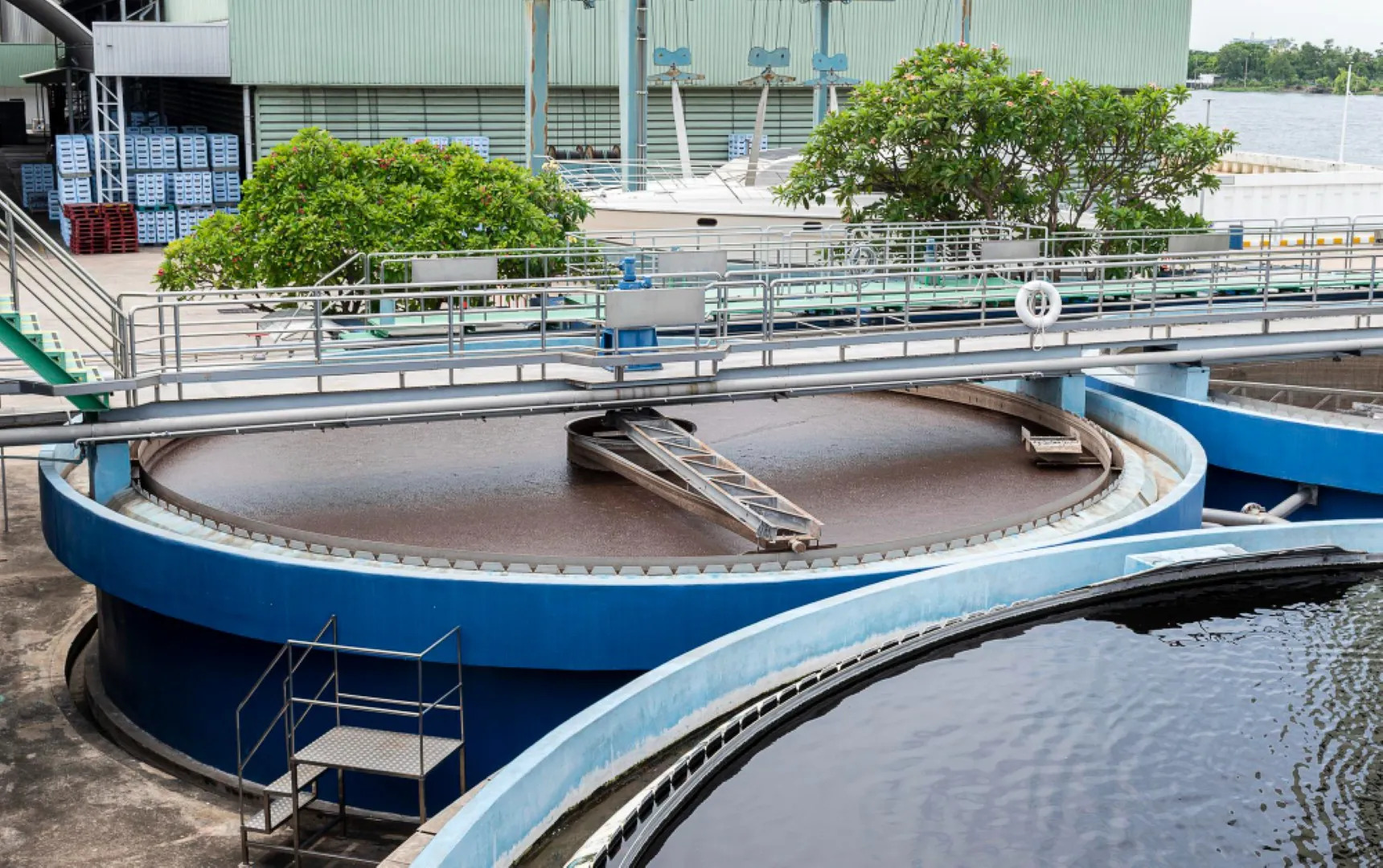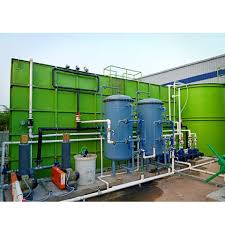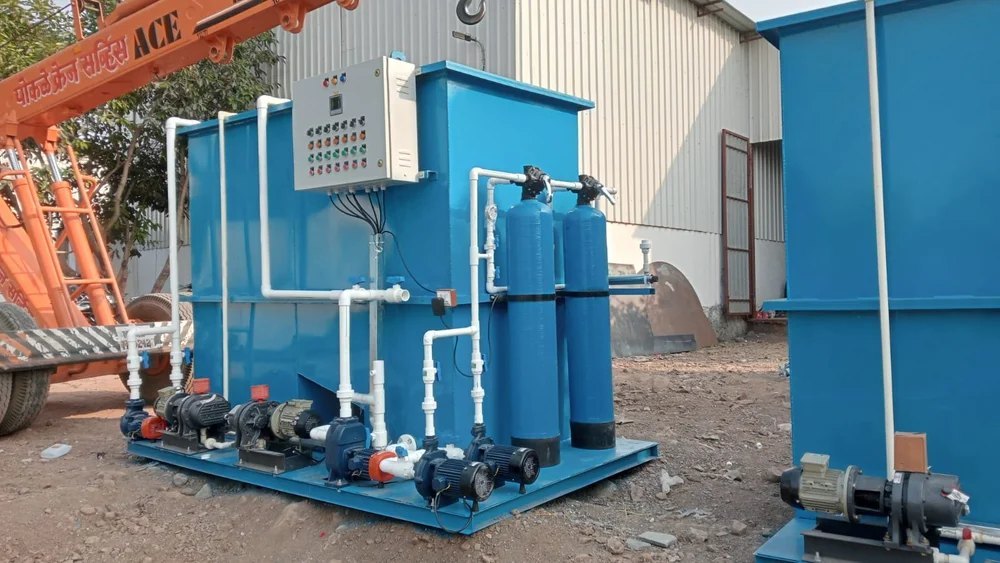
What Is a Fully Automatic STP Plant?
A fully automatic STP is a sewage treatment system that uses automation technology such as PLC panels, level sensors, flow meters, dosing pumps, and auto-cleaning mechanisms to treat wastewater automatically.
The automation helps control:
- Aeration timing
- Sludge removal
- Chemical dosing
- Pump operations
- Water level management
- Final treated water quality
This makes the STP highly efficient and reduces human error.
Where Is a Fully Automatic STP Used?
Fully automatic STP plants are widely used in places where large amounts of wastewater are generated daily and consistent water quality is required.
Common Applications
- Residential apartments and gated communities
- Hotels, resorts, and commercial complexes
- Hospitals and healthcare facilities
- Industries and manufacturing units
- Shopping malls & office buildings
- Schools, colleges, and universities
- Restaurants & food processing units
- Tech parks & industrial estates
Wherever wastewater is generated, an automated STP helps maintain hygiene, safety, and environmental compliance.
Why Is a Fully Automatic STP Used?
A fully automated STP is used because it:
- Reduces human labor
- Improves treatment accuracy
- Ensures stable water quality
- Reduces operation cost
- Prevents environmental pollution
Automation ensures the plant works continuously without depending heavily on manual operations.
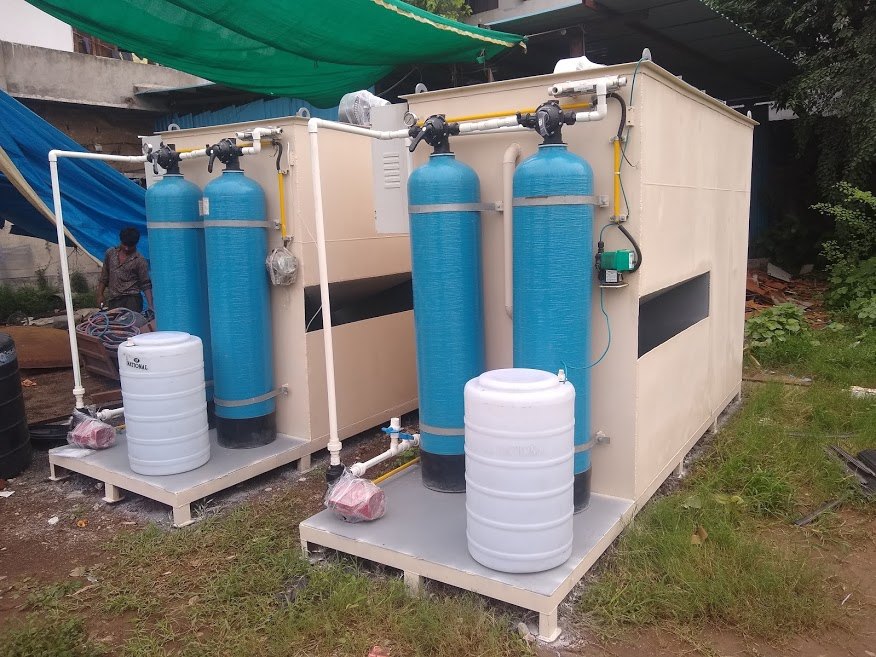
How Does a Fully Automatic STP Work? (Simple Explanation)
- Collection & Screening: Wastewater enters the plant, and screens remove solid waste.
- Equalization Tank: Balances water flow and prevents shock load.
- Aeration/ Biological Treatment: Bacteria break down organic waste using oxygen.
- Clarification: Treated water and sludge get separated.
- Filtration: Water passes through sand, carbon, or membrane filters.
- Disinfection: Chlorine/UV ensures pathogens are removed.
- Treated Water Storage: Reusable water is stored for reuse.
- Sludge Handling: Sludge is automatically collected and dewatered.
Benefits of a Fully Automatic STP Plant
1. Very Low Human Intervention
Automation runs pumps, blowers, and dosing units automatically, reducing labor cost.
2. Consistent Treated Water Quality
Sensors maintain oxygen levels, chemical dosing, and flow control accurately.
3. Cost-Effective Operation
Optimized electricity usage and fewer breakdowns reduce maintenance cost.
4. Environment-Friendly
Prevents sewage discharge into rivers, lakes, and land.
5. Treated Water Reuse
Water can be reused for:
- Gardening
- Flushing
- Cooling towers
- Washing & general cleaning
This reduces freshwater usage.
6. Meets Government Norms
Automated systems help ensure the STP always meets PCB (Pollution Control Board) discharge standards.
7. Longer Life of Equipment
Automatic operation prevents overload and protects motors and blowers.
| Feature | Manual STP | Fully Automatic STP |
|---|---|---|
| Human effort | High | Very Low |
| Accuracy | Depends on operator | High |
| Operation cost | More | Less |
| Breakdowns | Frequent | Minimal |
| Water quality | Irregular | Consistent |
| Compliance | Hard to maintain | Easy with automation |
“Choose MN Aqua Chem Solutions for reliable, efficient, and long-lasting water treatment systems. We deliver high-quality STP, ETP, and RO plants with cutting-edge technology and professional service.”